What actually moves the number
Your search, knit into cloth. The estimator below shows what each choice adds.
What website design costs — and what drives the number.
The honest answer is a range, so here it is up front. A lightly restyled template you fill with your own words lands somewhere between a few hundred and a couple thousand dollars. A custom-designed, properly integrated site with real performance work runs into the thousands, and past ten thousand once the scope gets serious. That gap is not markup. It is how much is actually being built.
Most pages answering this question either dodge with "it depends" or flash a scary agency range and never explain it. This one names the five things that actually set the price, so you can see which ones your project triggers before anyone sends a quote.
I'm David Weaver. I design, build, and ship these sites myself — one name on the invoice, and the same person who answers the contact form. The estimator below turns your choices into a range with no email required. If you want a real number after, describe the project and I'll itemize it.
01
Estimate your range — see what each choice adds
What are you building?
What should it include?
Estimated price
$2,000 – $8,000
This is a rough estimate based on the options you picked. Tell me about the project and I'll send you an exact price. There's no charge to ask.
02
The five levers that set the price
Almost every quote is some mix of these. Find the rows your project needs.
| Lever | Keeps it cheap | Drives it up |
|---|---|---|
| Scope | A handful of shared page templates | Dozens of bespoke layouts, each hand-built |
| Design | A bought theme, lightly restyled | An original system: type, color, layout, motion |
| Integrations | A contact form that emails you | Payments, booking, auth, a CMS, live third-party APIs |
| Content | You supply final copy and images | I write the copy and source the photography |
| Performance & access | Whatever the theme happens to ship | Fast on a mid-range phone, keyboard- and screen-reader-usable |
Most "why is this so expensive?" gaps live in two rows — design and integrations. That is where the hours actually go.
03
Why the same brief gets a $900 quote and an $18,000 one
"Website" is a label stretched over wildly different amounts of work. One vendor priced a theme you fill in yourself. The other priced original design, three integrations, and a site that stays fast on a phone. Same word, different building. The number tracks the scope, not the vendor's mood.
So the useful move is not collecting more quotes — it is forcing every quote onto the same scope. Decide your page count, whether the design is bought or original, what has to connect to another system, and who writes the words. Once those four are pinned, the range narrows fast and the estimates start meaning the same thing.
04
The costs that show up after the quote
Two line items surprise people. Content is the first: "content not ready" stalls more launches than any bug, and if I end up writing copy and sourcing images, that is added scope, not a rounding error. Revision rounds are the second — endless redesign-by-committee is where budgets quietly double, so I cap and price rounds instead of pretending they are free.
The build is also one number; running the thing is another. Hosting, a CMS, and future changes are ongoing and separate. A quote that folds them in silently is not cheaper — it is just less honest. Compare this page's angle against /how-much-should-a-website-cost for what to budget toward your goal, and /website-cost or /pricing for the site-wide numbers.
05
Where a suspiciously low quote cut the corner
A price far below everyone else usually means a row was skipped. It is a theme with no original design, no real integrations, no performance or accessibility work, no measurement, and you writing every word. That can be exactly right for a placeholder you need this week. It becomes a tax the moment a stranger has to remember you tomorrow — because then you pay again to build what got left out.
Proof over promises
Open the work. Judge it live.

2026 · Software · Prototype
BABA Smoke Shop
A local-business marketing site for a Columbus, GA smoke shop. No backend, complete local-SEO metadata, and deliberate restraint.
2026 · Software · Shipped
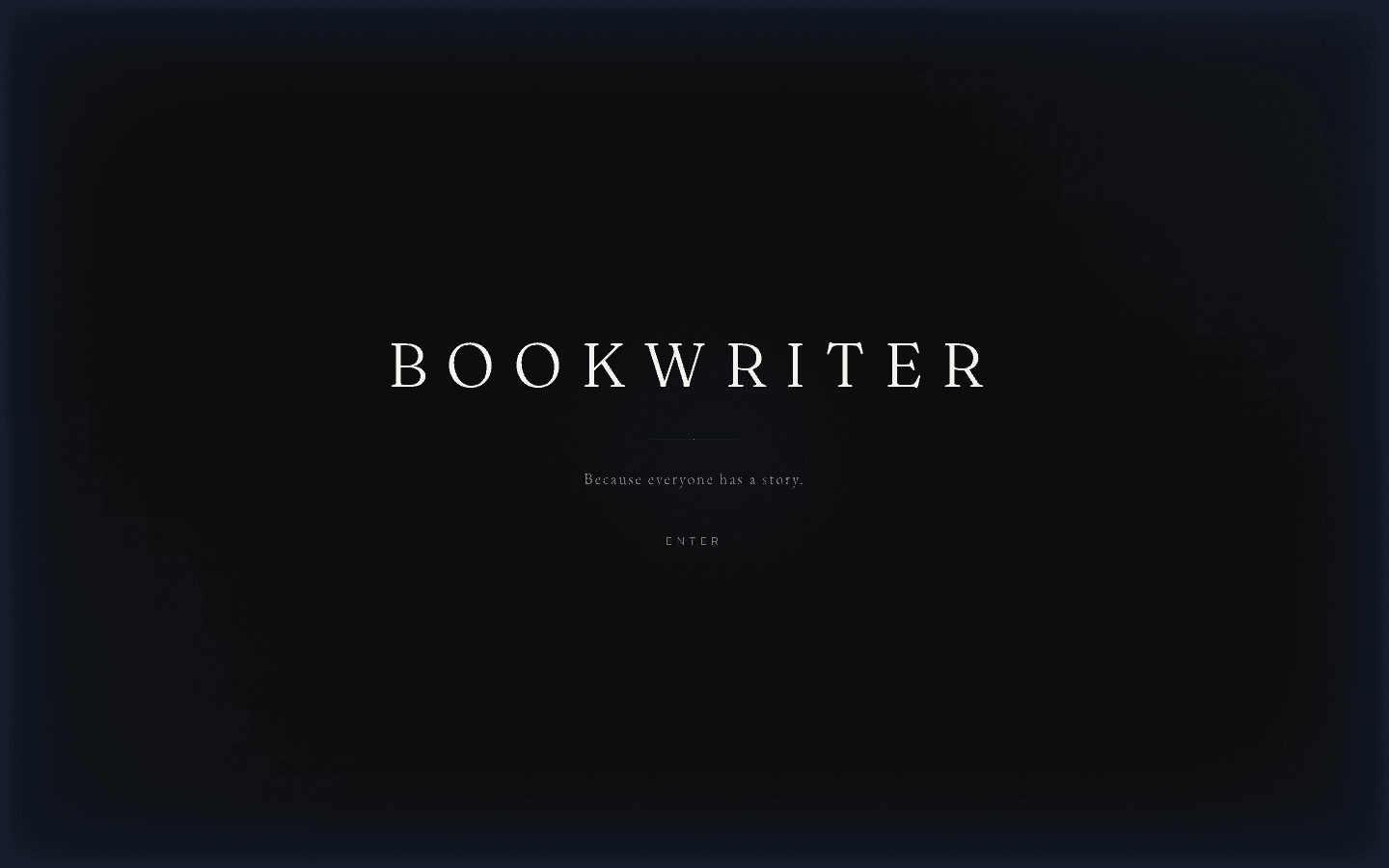
BookWriter
AI book-writing software from an author with thirty books of skin in the game — live, billing, and tested 454 files deep.
2026 · Sound · Shipped
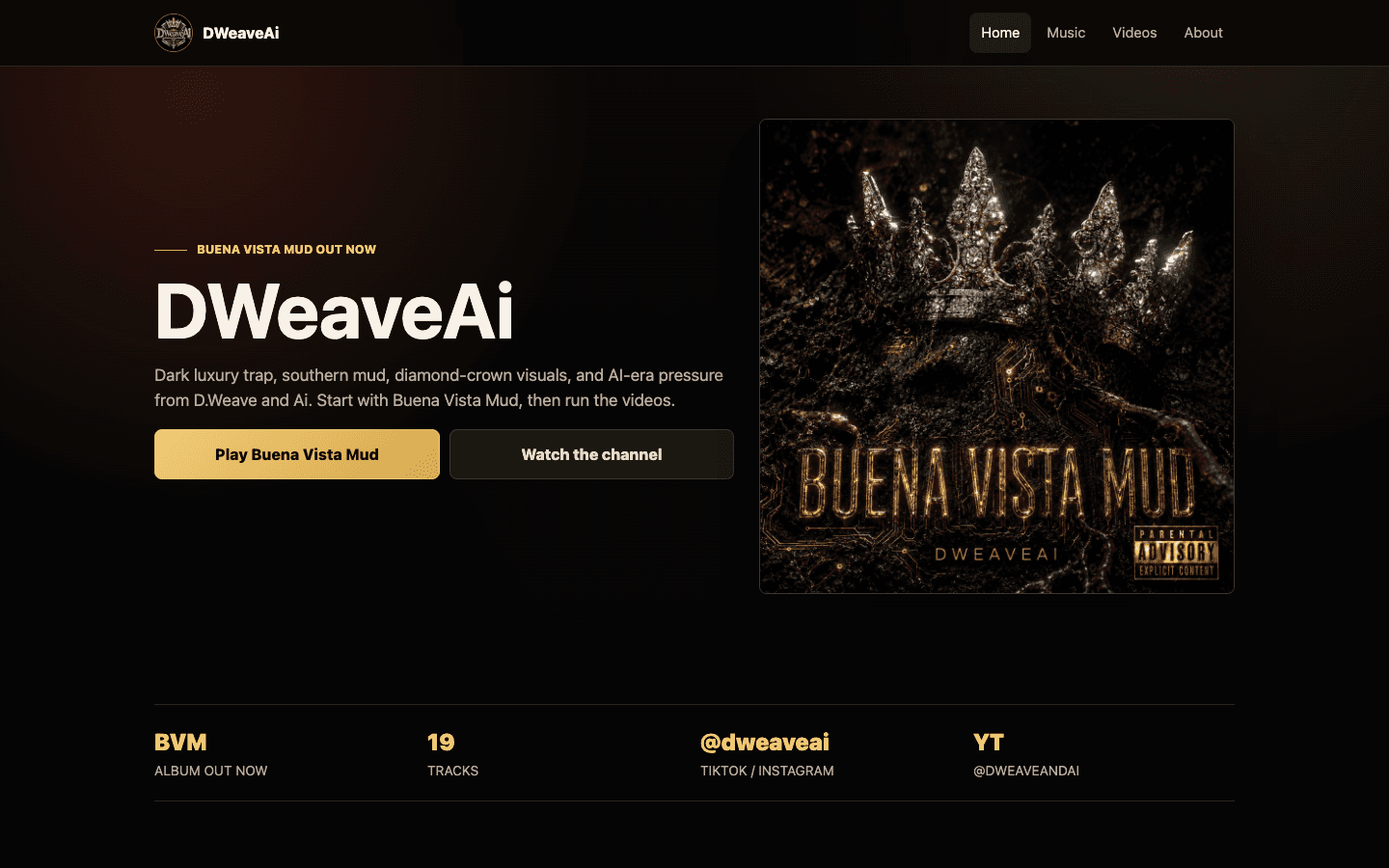
DWeaveAi Fan Funnel
A static fan funnel, live at dweaveai.space — one owned landing page per song, routing listeners to every streaming platform.
Straight answers
Asked often. Answered honestly.
- Why do two quotes for the same website differ by thousands?
- Because "the same website" usually isn't. One vendor priced a restyled template you fill with your own words. The other priced original design, real integrations, and performance work. Identical label, very different amount of building — and the number follows the building.
- What part of a website costs the most?
- Usually two things: custom design and integrations. Original layout, type, and motion is real design time, and anything that talks to another system — payments, booking, auth, a CMS — is real engineering. Those are hours, not a slider you nudge.
- Is a template really cheaper, and what do I give up?
- Yes — a theme is the cheapest honest start. You give up originality (you'll resemble everyone else running it) and you inherit its performance and structure, good or bad. Fine for a placeholder; a cost the moment being memorable matters.
- Does the number of pages drive the price?
- Less than people expect. What costs money is unique templates, not raw page count. Fifty pages built on three shared layouts is cheap. Five pages each designed from scratch is not. Count the distinct designs, not the URLs.
- Does content — copy and photos — really affect what I pay?
- A lot, and it's the most common delay. Supply final words and images and you save real money. Ask me to write and source them and that's added scope. "Content not ready" holds up more launches than code ever does.
- Are hosting and upkeep part of the build price?
- No. The build is one number; hosting, a CMS, and ongoing changes are separate and recurring. I quote them plainly instead of hiding them in the headline figure — a quote that buries them isn't cheaper, just vaguer.
Run the estimator, then send the project — pages, integrations, who writes the copy — and I'll turn it into an itemized quote. Free, from the builder.