A chatbot with a deflection rate and a bill
Every message a bot answers has a price. The tool below shows it.
Ship a chatbot that deflects tickets, not customers.
You searched for chatbot integration because you have a queue — support tickets, or pre-sale questions — and a bot looks like the way to shrink it. Sometimes it is. Two things decide whether it helps or hurts: whether it can actually answer, and whether it knows when to stop talking and get a human.
A support bot has three failure modes. It hallucinates a policy you never wrote. It traps the customer in a loop with no exit. Or it answers everything, correctly, and quietly costs more per conversation than the human it replaced. Each one is an engineering problem, not a plugin setting.
I'm David Weaver — a solo engineer in Columbus, Georgia, working remotely. I ship AI features that stay grounded in the client's own content and meter their own cost: the writing engine behind Bookwriter, the prompt tooling in Promptfork. Model your bot's monthly message bill with the tool below, then send me the questions your customers keep asking.
01
Estimate your bot's monthly message bill
Chatbot monthly-cost estimator
Build once, operate monthly. Ranges are planning neighborhoods for a custom-integrated assistant — not a no-code widget sticker price.
Expected chat volume
Capabilities
Build $4,000–$14,000
$520 – $1,880 / mo
Monthly covers platform + usage neighborhood at your selected volume. Integration quality (handoff, knowledge freshness, metering) decides whether the bot saves money or creates tickets.
02
When a bot earns its keep — and when it just annoys people
A chatbot is worth it when your inbox is mostly the same twenty questions asked a thousand different ways: hours, order status, returns, does-it-do-X. That repetitive tail is exactly what a grounded bot handles well, freeing you for the questions that actually need judgment.
It becomes a liability the moment it stands between an angry customer and a person. If someone has already decided they need help, a bot that makes them prove it first is a wall, not a service. My rule: the escape hatch to a human is visible on every turn, and the bot hands off the instant it is unsure. A bot nobody can get past is worse than no bot.
03
What I wire into a support or sales bot
Not a widget you paste in. These are the parts that decide whether it deflects or backfires:
Answers grounded in your own words
Retrieval over your docs, policies, and product pages — so the bot quotes what you actually published, not what the model guessed.
A confidence gate before it speaks
Below a threshold it says 'I'll get a person' instead of improvising. Refusing to answer is a feature, not a bug.
Handoff with the whole transcript
When it escalates, your agent inherits the conversation and the customer's context — no 'please repeat everything you just typed'.
A per-message cost ceiling
Token spend is capped and logged per conversation, so a viral thread or an abuse loop can't quietly run up a bill.
A log you can grade
Every answer stored and reviewable, so you can see what it deflected, what it got wrong, and where a doc needs fixing.
04
Bot, hybrid, or human — which each message needs
Deflection is not all-or-nothing. Most healthy setups route by question type:
| Question type | Route | Why |
|---|---|---|
| Repeat FAQ (hours, status, policy) | Bot answers | High volume, low stakes, answer lives in your docs |
| Account-specific but bounded | Bot + your data, with checks | Useful only if it can read the record safely and cite it |
| Refunds, complaints, anything emotional | Straight to a human | A wrong or cold answer here costs a customer |
| Never seen before | Human, then teach the bot | Today's edge case is next month's FAQ |
The split shifts as your docs improve. I'd rather deflect 40% well than 90% badly.
05
Priced by the message, not by the seat
A chatbot's real cost is metered: every message runs tokens through a model, and a chatty bot on a busy site adds up fast. That is what the estimator above models — volume times per-message cost, plus the build. It exists so you can decide before you commit, not after the first invoice.
The honest version of this pitch: if your questions are few and stable, a good FAQ page and a contact form may beat a bot outright. I'll tell you that on the call. When a bot does fit, we pilot it against your real queue, measure what it deflects, and only scale it once the numbers hold up. No ranking-style promises about a deflection rate I can't yet see.
Proof over promises
Open the work. Judge it live.
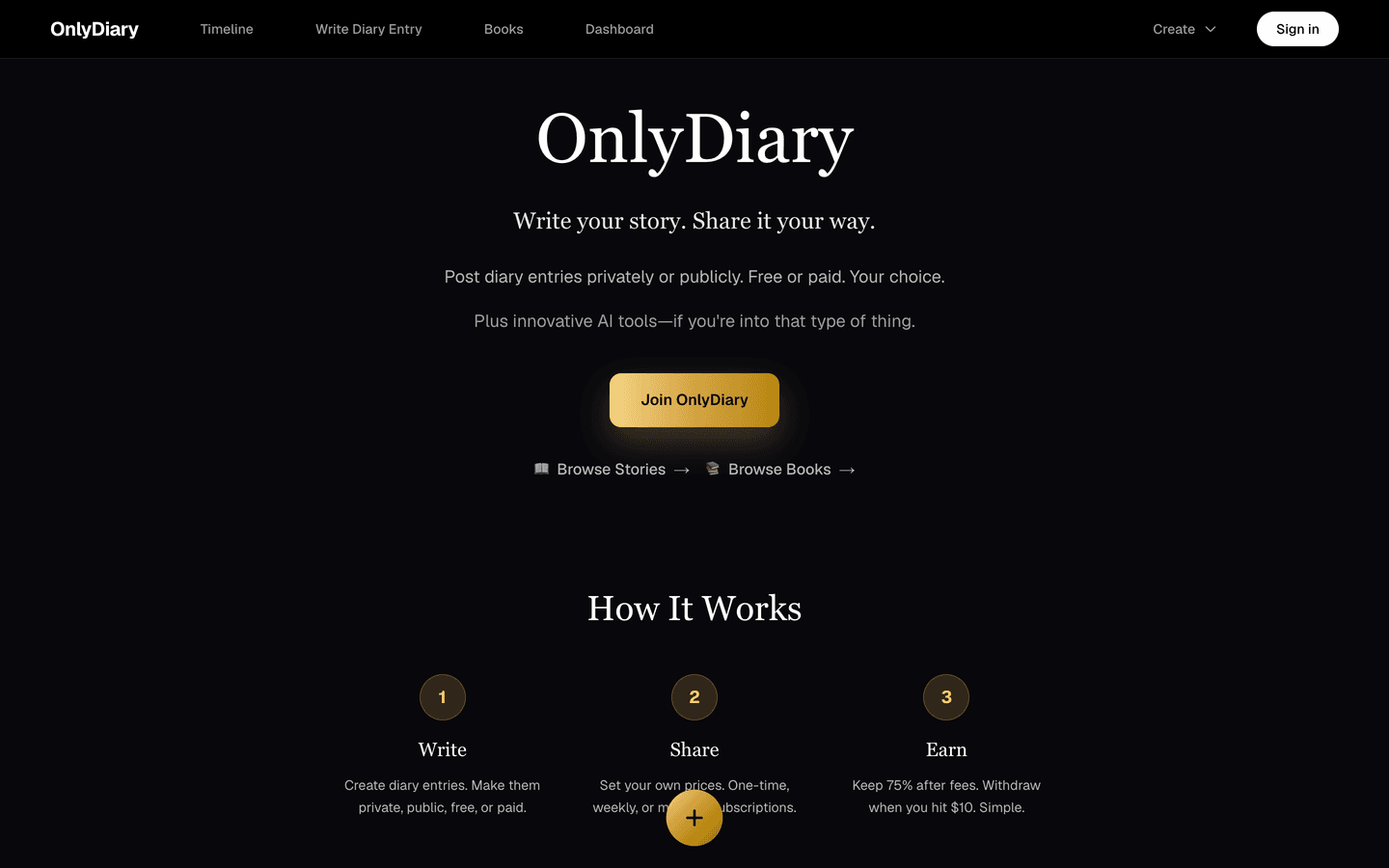
2026 · Software · Retired
OnlyDiary
An AI journaling and creative-publishing platform with real billing on two payment rails.
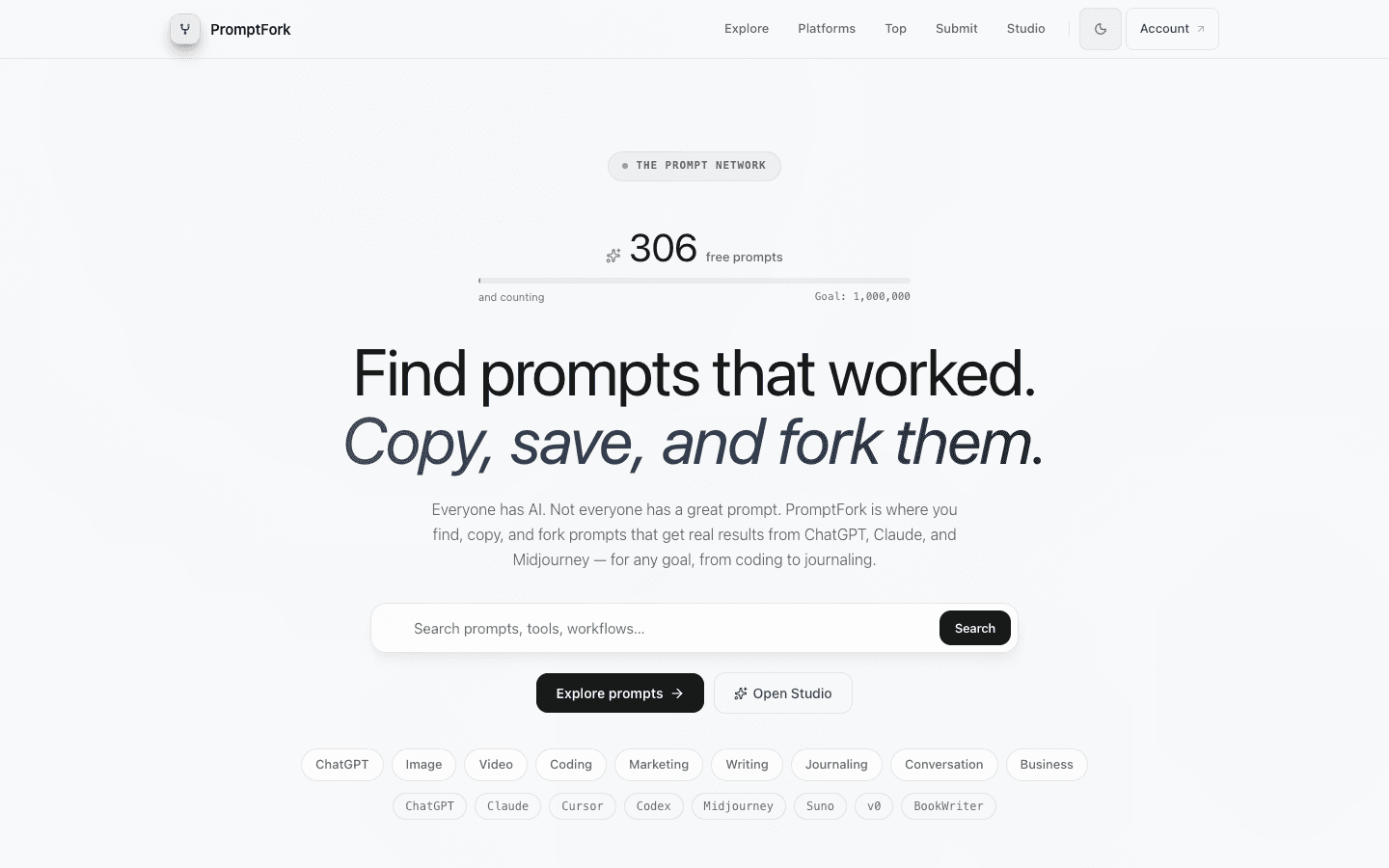
2026 · Software · Shipped
PromptFork
A prompt library where prompts carry receipts — find one that worked, copy it, fork it, make it yours.
2026 · Software · Shipped
BookWriter
AI book-writing software from an author with thirty books of skin in the game — live, billing, and tested 454 files deep.
Straight answers
Asked often. Answered honestly.
- How much of my support volume can a chatbot actually deflect?
- Depends entirely on how repetitive your questions are. A bot grounded in solid docs handles the recurring tail well; edge cases still need a person. I won't quote you a deflection percentage before I've seen your queue — we pilot, measure what it actually deflects, then decide whether to scale.
- How do you keep it from inventing answers or policies?
- It only answers from your own content through retrieval, and a confidence gate makes it hand off rather than guess when it isn't sure. Every answer is logged so wrong ones surface fast and usually trace back to a doc that needs fixing — not a model that needs scolding.
- Won't a bot just frustrate customers who want a human?
- It will if it's a dead end. The handoff to a person stays visible on every turn, and the bot escalates the moment it's unsure — carrying the full transcript so nobody repeats themselves. A bot you can't get past is worse than no bot.
- How is a chatbot priced — is it per message?
- Largely, yes. Beyond the build, each message costs tokens through a model, so a busy bot has a real monthly bill. The estimator on this page models that from your volume. I also cap and log spend per conversation so an abuse loop can't run it up.
- Can it connect to my existing site, helpdesk, or CRM?
- Often yes. Most of these are surgical: point the bot at your published content, wire a handoff into the tool your team already uses, and add cost logging. A full rebuild is rarely necessary.
- Do I even need a chatbot?
- Maybe not. If your questions are few and stable, a clear FAQ page and a contact form can beat a bot for less money and less risk. I'll say so if that's your situation rather than sell you a system you don't need.
The tool priced your bot. Tell me the questions your customers keep asking and I'll send a written plan — free, from the builder.